
Most people who are unhappy with their smile don't actually know what they're asking for.
That's not a criticism; it's just what we see. A patient sits down and says, "I think I need veneers," and after a few questions, it turns out what they really want is whiter teeth. Someone else asks about whitening when the thing bothering them is a chipped corner that whitening will never fix. The words get used interchangeably, but whitening, bonding, and veneers are three very different tools that solve three very different problems.
So instead of comparing them like products on a shelf, let's do what we'd do in the chair: figure out what's actually bothering you, then match the tool to the problem, starting with the simplest option that gets the job done.
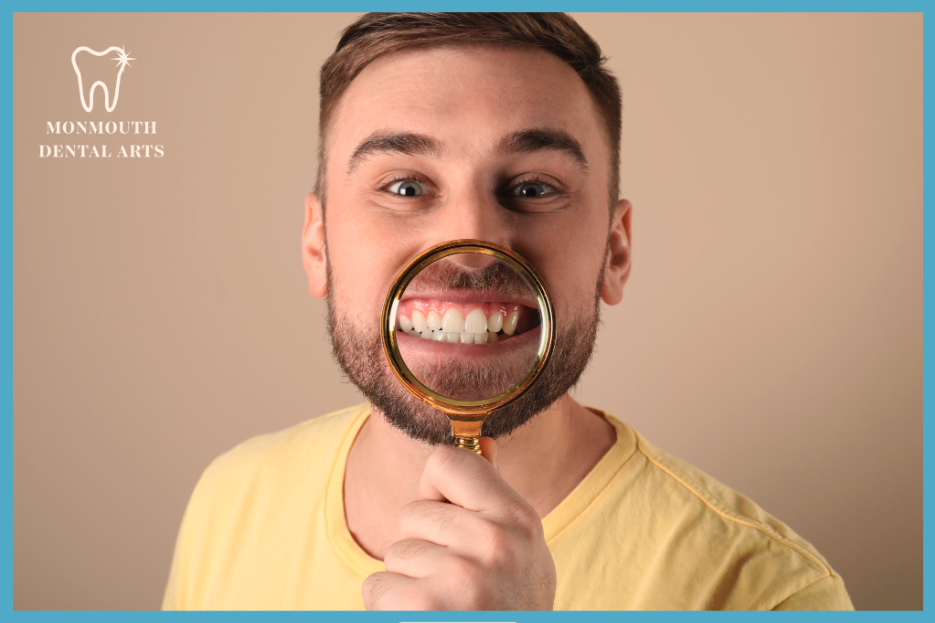
Start With One Question: What Bothers You Most?
Look in the mirror and get specific. Is it the color of your teeth overall? A particular tooth that's chipped, gapped, or oddly shaped? Or is it several things at once (color, shape, evenness) that make you avoid showing your teeth in photos?
Your answer sorts you into one of three paths:
- "My teeth look dull or yellow, but their shape is fine." Your path starts with whitening.
- "One or two teeth have a specific flaw — a chip, a gap, a rough edge." Your path starts with bonding.
- "It's the whole picture. I want a different smile." Your path leads toward veneers.
Now let's walk each path properly.
Path One: Whitening — The Right First Move for Color
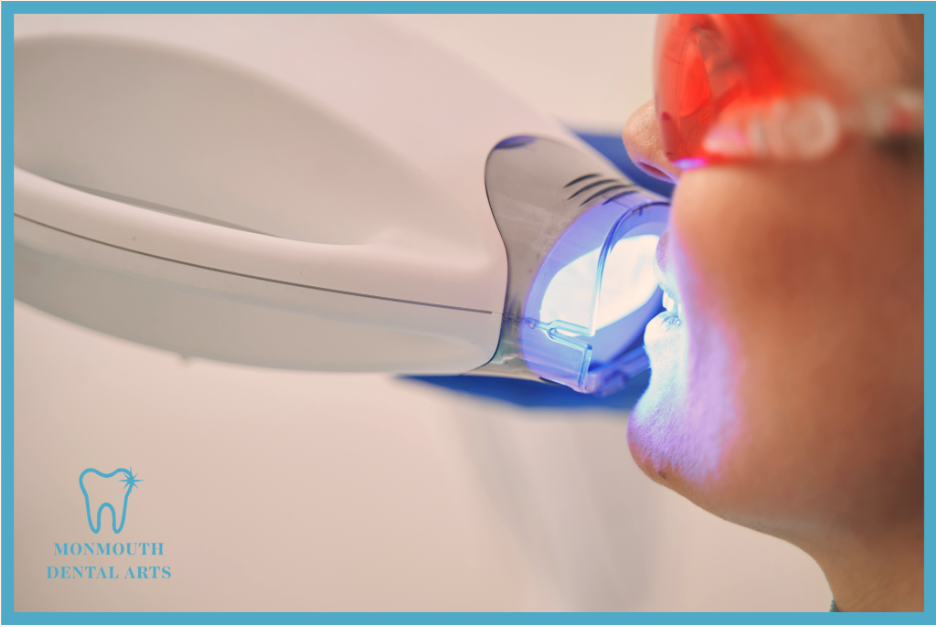
If color is your complaint, professional whitening should almost always be your starting point. It's the least invasive, least expensive cosmetic treatment in dentistry, and for the right candidate it delivers a dramatic change, often several shades brighter.
Professional whitening uses stronger, dentist-supervised formulas than anything on a drugstore shelf, with custom trays or in-office application that protect your gums and get even coverage. Yellowish staining from coffee, tea, wine, and age responds especially well.
Two honest caveats. First, whitening only works on natural enamel; it won't lighten crowns, fillings, or bonding, which is one reason to whiten before any other cosmetic work, not after. Second, deep gray or internal discoloration (from old injuries or certain medications) often resists whitening; that's when the conversation shifts to bonding or veneers.
Here's the strategic point most people miss: even if you eventually want more than whitening, it's still usually step one. Any bonding or veneer work will be color-matched to your teeth, so get your teeth to the shade you love first, and everything built afterward matches it.
Path Two: Bonding — The Targeted Repair
Bonding is the precision tool. Your dentist applies tooth-colored composite resin directly to the tooth, sculpts it to close the gap, rebuild the chip, or reshape the edge, and cures it hard, usually in a single visit, often without a drill.
Bonding is ideal when the problem is localized: one chipped incisor, a small gap between front teeth, a tooth that's slightly shorter than its neighbor, a notch at the gumline. It preserves your natural tooth almost entirely, costs far less than porcelain, and can be repaired easily if it ever chips.
Its limits: composite can pick up stains over the years, it's not as strong as porcelain, and across many teeth it can't quite match the lifelike depth of a full porcelain restoration. Think of bonding as expert tailoring, perfect for alterations, not for building a whole new wardrobe.
Path Three: Veneers — The Full Redesign
When the concern is your whole smile (multiple teeth that are worn, discolored beyond what whitening can fix, unevenly shaped, or just not the smile you want), porcelain veneers are the comprehensive answer.
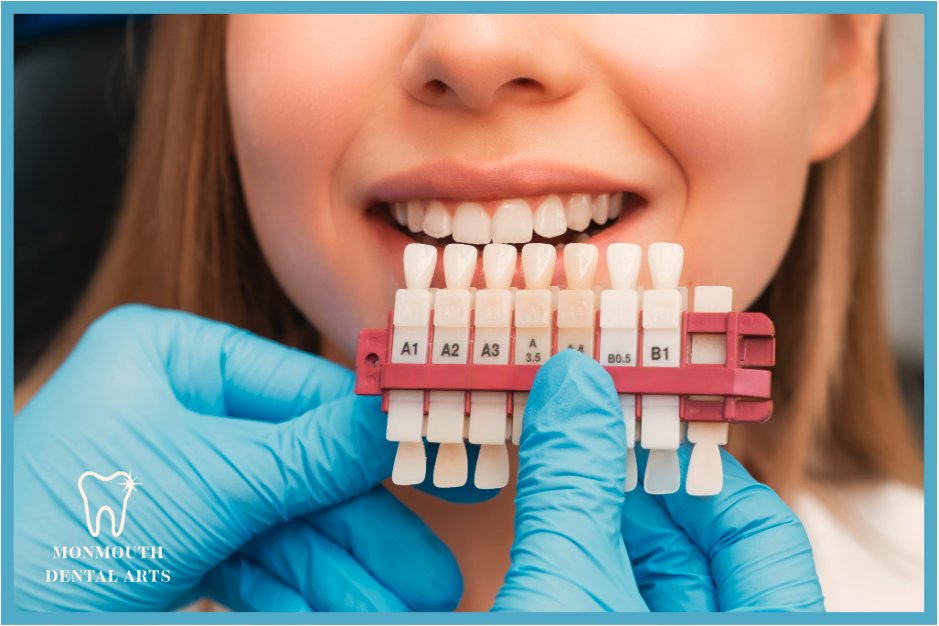
A veneer is a thin, custom-crafted porcelain shell that covers the front of a tooth, letting your dentist control color, shape, length, and symmetry all at once. Porcelain resists staining, mimics the light-play of natural enamel beautifully, and with good care commonly lasts a decade or more.
The commitment is real: most veneers require removing a thin layer of enamel, making them permanent; that tooth will always need a veneer or crown. They're also the biggest investment of the three options. That's exactly why we consider them the destination at the end of the road, not the default first stop. Veneers are the right call when lesser options genuinely can't deliver what you want, and in those cases, nothing else comes close.
The Ladder Principle
If you remember one thing from this article, make it this: good cosmetic dentistry climbs a ladder. Start with the least invasive option that can solve your actual problem. Whiten before you bond. Bond before you veneer. Never skip rungs just because a bigger treatment sounds more impressive.
Sometimes the answer is a combination; whitening for overall color plus a single bonded chip is one of the most common (and most affordable) smile upgrades we do. And sometimes the answer really is a full set of veneers. But that decision should come from an exam, a shade assessment, a look at your bite and gum health, and a candid talk about budget and expectations, not from a guess.
One more thing worth checking before any cosmetic work: the health basics. Whitening irritated gums or bonding over untreated decay is building on sand. A quick exam first makes sure your upgrade is built to last.
Frequently Asked Questions
Should I whiten my teeth before getting bonding or veneers?
Yes, almost always. Bonding and veneers are color-matched to your surrounding teeth and won't change shade afterward, so reach your target whiteness first. Your new dental work will then be matched to the brighter shade.
What's the cheapest way to improve my smile?
Professional whitening is typically the most affordable cosmetic treatment and makes the biggest visual difference for the money if discoloration is your main concern. Bonding is the budget-friendly fix for isolated chips and gaps.
How do I know if I need veneers or just bonding?
Count the problems. One or two localized flaws usually point to bonding; widespread color, shape, and evenness concerns across many teeth point toward veneers. An in-person exam settles it; sometimes what looks like a big problem has a surprisingly small solution.
Does dental bonding damage your natural teeth?
No. Bonding adds material to the tooth with little or no removal of enamel, which makes it one of the most conservative cosmetic treatments available. It can typically be repaired or replaced without harming the tooth underneath.
Your First Step Costs Nothing but a Conversation
Come tell us what bothers you about your smile, and we'll map the simplest route to fixing it. No pressure, no upselling, just honest options in plain English. We can't wait to meet you!
Schedule your consultation at Monmouth Dental Arts.
Call us at 732-686-6337.